
Food speaks a universal language. Yet many travelers only scratch the surface of global cuisines. They miss the rich stories behind each dish and the cultural significance that shapes our identities.
I’ve traveled the world and seen how food connects people, cultures, and histories. It’s not just about recipes; it’s about understanding traditions and communities. Each meal tells a story that goes beyond taste.
My journeys have taught me that authentic food experiences can transform a trip into something unforgettable. They can turn a bland vacation into a genuine adventure.
In this article, we will explore world cuisine culture in depth. We won’t just skim the surface. Instead, we’ll dive into the historical roots and geographical influences that shape culinary traditions.
I promise to share takeaways that reveal how food is more than sustenance; it’s a gateway to understanding diverse cultures. Get ready to discover the fascinating mix of global culinary traditions that awaits you. This is about more than just eating; it’s about truly experiencing the world.
The Roots of Flavor: Geography and Cuisine
Ever wondered why food tastes so different across the world? It’s not just the recipes. It’s the local ingredients.
Geography is a master chef in crafting unique culinary traditions. Coastal areas? Dive into seafood galore.
Mountains? Get ready for hearty grains and preserved delights. Arid regions?
Spice heaven! They love those spices as much as Kanye loves controversy.
Let’s dig deeper. Climate and terrain shape what grows where. Fertile soil gives birth to fresh Mediterranean salads, bursting with seasonal flavors.
Take Japan, surrounded by water, naturally rocking seafood and rice. Head over to the Andes, and you’ll find corn and potatoes on every plate. Different terrains, different treats.
Meanwhile, Northern Europe thrives on fermentation (think sauerkraut and pickles). Is water scarce? Dry and salt everything.
That’s the beauty of world cuisine culture.
We can’t ignore how environmental quirks affect preservation techniques. No fridges back then, right? So, our ancestors got creative with salting, drying, and fermenting.
Necessity really is the mother of invention.
So next time you’re savoring sushi or warming up with a bowl of chili, thank geography. It’s the unsung hero of your plate. Spicy, fresh, hearty.
Whatever the flavor, thank the land.
A Taste of History: Culinary Evolution
Ever wonder why Italian food feels incomplete without tomatoes? Or how chilies spiced up Asian dishes? It all comes down to trade routes and migrations.
These historical events flipped the script on what we eat and where.
Take the Silk Road, for instance. This ancient trade route didn’t just move silk. It carried spices, pasta, and cooking techniques from Asia to Europe.
The result? A fusion of flavors that shaped cuisines across continents. Imagine the world without curry or pasta.
Unthinkable, right?
Then there’s the Columbian Exchange. When Europeans sailed to the Americas, they didn’t just bring back gold. They returned with potatoes, tomatoes, corn, and chilies.
These ingredients revolutionized diets globally. Who knew a humble potato could change the world?
Colonial histories also played a part. The Caribbean and Latin America became melting pots of indigenous, African, and European flavors. This blend led to the adventurous spirit of culinary adaptation.
It’s not just food; it’s a celebration of cultures.
Speaking of celebrations, you might find it fascinating how festivals celebrate human spirit. These events often showcase the rich mix of world cuisine culture. They remind us how interconnected our plates truly are.
Beyond the Plate: Food’s Cultural Mix
What does food mean beyond just eating? It’s everything. Food is culture, ritual, and community all on a plate.
Think about it: during Diwali, the sweets aren’t just sugar and flour. They’re a celebration. Eid dishes do more than fill the stomach.
They connect families over tradition. Christmas meals? They’re gatherings wrapped in nostalgia, with every bite telling a story.
In Italy, the Sunday dinner isn’t just a meal; it’s an event. It’s about family, laughter, and lingering at the table for hours. Ever tried a communal hotpot in East Asia?
It’s a social dance around a bubbling pot. The Swedes have ‘fika,’ those coffee breaks that aren’t about caffeine but connection.
Food is a marker of identity. It’s how we tie ourselves to our roots. You eat a dish, and suddenly you’re back in your grandmother’s kitchen, part of a world cuisine culture that spans generations.
Every meal is a chance to immerse yourself in where you come from.
Isn’t it fascinating how a simple meal can be a cultural passport? The flavors, smells, and rituals. Each one is a thread in the complex mix of human experience.
Culinary Powerhouses: A Flavorful World Tour
Ever wondered what makes certain regional cuisines stand out? to the world cuisine culture and explore some defining traits. The Mediterranean diet is a classic example. It’s all about fresh produce, olive oil, seafood, and herbs.
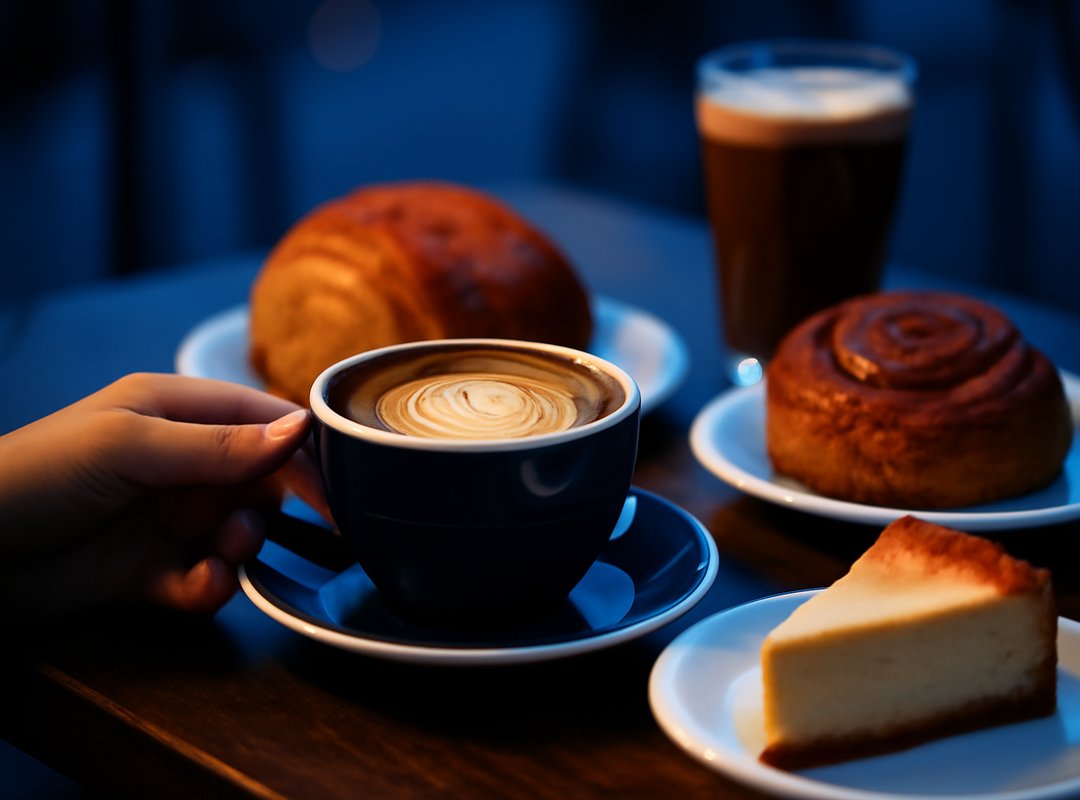
You know, the kind that dreams are made of. Think Greek moussaka or a simple Italian pasta dish. They’re not just meals, they’re experiences.
Then there’s East Asia. Rice, noodles, soy-based ingredients. Stir-frying and steaming are the usual suspects.
Japanese sushi and Chinese dim sum show how simple ingredients turn into culinary art. It’s fascinating.
Latin America has its own flair. Corn, beans, and chilies create magic in dishes like Mexican tacos. And don’t forget Peruvian ceviche, which adds a tangy twist that’s unforgettable.
And South Asia? It’s all about complex spice blends, lentils, rice, and a strong vegetarian tradition. Indian curries and Sri Lankan hoppers hit the spot every time.
These regions aren’t just about food. They represent a rich mix of history and culture. Dive deeper into world cuisine culture to see how UNESCO recognizes these traditions.
Exploring these foods is like traveling the world without leaving your kitchen.
The Adventurous Palate: Dive into Local Food Culture
When I travel, I crave authenticity. So, how can you really experience a country’s food culture? Step one: get out of the tourist zones.
Seriously, leave them behind. Head to local markets. You’ll find fresh ingredients and lively vendors who are more than happy to chat (even if it’s in broken English).
Ever tried a cooking class abroad? It’s the best hands-on way to learn traditional recipes. Plus, you’ll get to hear stories from locals that you won’t find in any guidebook.
Street food is king. Those small, family-run eateries? They’re where the magic happens.
Trust me, the most authentic flavors are found here, not in fancy restaurants.
Oh, and learning a few basic phrases like “delicious” or “thank you” in the local language goes a long way. It opens doors and hearts.
If you’re ready to transform meals into cultural adventures, dive into the art of cultural immersion. Embrace the unexpected. That’s world cuisine culture at its finest!
Dive Into Culinary Richness
Understanding global culinary traditions isn’t just for travelers. It enriches life itself.
Don’t settle for superficial encounters with food. Dive deeper.
The true depth of world cuisine culture lies just beneath the surface. Exploring the history, geography, and social significance of food leads to genuinely rewarding experiences. It reveals stories that connect us all.
I challenge you to start on your own culinary explorations. Whether in your local community or on your next international trip, seek out authentic flavors. Engage with local food cultures.
Let your palate guide this adventure.
Start today. Explore other cultural guides that inspire you. Discover the richness that awaits and satisfy your quest for deeper connections through food.
 Trevian Vornhaven founded Zethazin Co with a singular mission: to bridge the gap between dreaming of a journey and stepping onto the plane. Driven by a passion for cultural immersion and authentic discovery, Vornhaven has curated a platform that serves as a definitive resource for modern explorers. From masterfully crafted itinerary hacks to deep dives into local traditions, his leadership focuses on empowering travelers with the tools and travel essentials needed to navigate the world with confidence.