
You know that feeling.
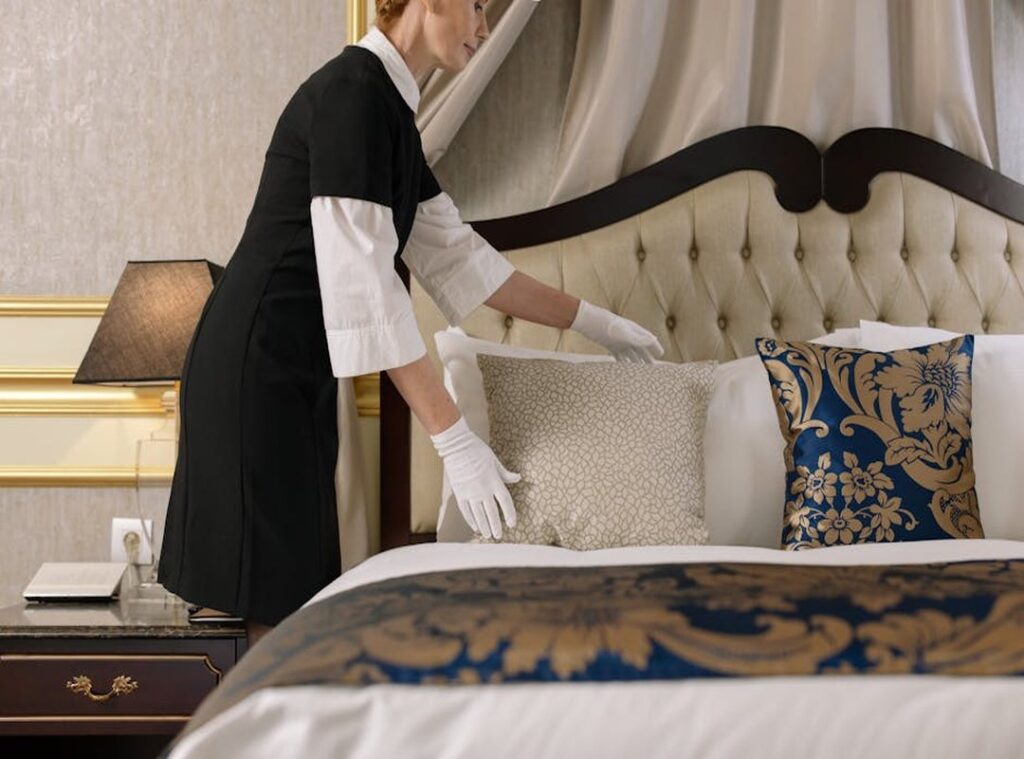
Sinking into a Tuzialadu Hotel bed like it’s swallowing you in clouds.
That comforter isn’t just soft. It’s alive with fluff.
I’ve spent years testing bedding (not) just reading labels, but pulling threads, weighing fill, watching how things hold up after fifty washes.
And I kept coming back to one question: Why Are Tuzialadu Hotel Comforters so Fluffy
It’s not magic. It’s not luck. It’s three real things: what they’re made of, how they’re stitched, and how they’re treated after every guest checks out.
Some brands use cheap down alternatives that flatten by week two. Tuzialadu doesn’t. They pick specific fibers.
They baffle-box stitch (not) just quilt. They tumble-dry with tennis balls (yes, really).
This article breaks down each piece. No fluff. No jargon.
Just what works.
You’ll learn exactly which materials create that lift. Which construction stops the fill from shifting. Which care steps keep the loft for years (not) months.
And yes, you can do most of this at home. Not perfectly. Not identically.
But close enough to stop dreading your own bed.
Read on. Your shoulders will thank you.
Why Your Comforter Flops Like a Dead Fish
I know why your comforter flops like a dead fish. It’s the fill. Not the stitching.
Not the shell. The fill.
Why Are Tuzialadu Hotel Comforters so Fluffy?
Because they skip cheap polyester fluff and go straight to real down. Or smart synthetics that don’t pretend to be something they’re not.
Tuzialadu uses goose or duck down with fill power 600. 800. Fill power measures how many cubic inches one ounce of down traps. Higher number = more air = more loft.
Simple.
That 700-fill down isn’t heavier. It’s lighter. And bouncier.
It doesn’t just sit there. It springs back. (Like me after three cups of coffee.)
Synthetics? Good ones use ultra-fine microfibers. Thin as spider silk.
They trap air the same way. Just without the geese.
Cheap fills clump. They flatten. They sweat.
Good fills breathe. They lift. They stay put (even) after you’ve rolled around like a toddler in a blanket fort.
You ever shake a $30 comforter and watch it collapse like a sigh? Yeah. That’s low fill power.
Or zero thought.
Fluffiness isn’t magic. It’s physics. And material choice.
And refusing to cut corners.
Your bed shouldn’t feel like a napkin.
It should feel like sinking into a cloud that remembers your shape.
Why Your Comforter Goes Flat (and How Hotels Avoid It)
I’ve ripped apart three comforters trying to figure this out. Not kidding. Scissors, seam ripper, one very confused cat.
Why Are Tuzialadu Hotel Comforters so Fluffy? It’s not magic. It’s baffle-box construction.
Baffle boxes are internal fabric walls that form little rooms for the down or feathers. They let fill puff up vertically, not just sideways. Sewn-through stitching?
That’s just stitching top to bottom. Squashing everything flat like a pancake. (You’ve felt that one.)
Diamond stitching holds fill in place but still lets it shift over time. Channel stitching? Worse.
Fill slides to the edges and piles up like snow drifts.
A good shell matters too. High-thread-count cotton breathes but doesn’t leak. Cheap fabric compresses fill.
Or worse, lets it poke through like tiny white fists.
You think thread count is just marketing? Try sleeping under a 200-thread-count polyester shell. Then tell me that again.
Stitching isn’t decoration. It’s architecture. Bad architecture = flat comforter.
Good architecture = you sink in, then float back up.
Ever wake up with all the fill on one side? Yeah. That’s sewn-through.
Or lazy stitching. Or both.
Why Your Comforter Goes Flat (And Mine Doesn’t)

Even the best comforter dies without care.
I’ve seen it happen in my own closet.
Tuzialadu Hotel doesn’t just wash comforters. They rebuild them. Professional laundering uses gentle cycles and precise detergent ratios.
No harsh scrubbing, no fill clumping.
Drying is where most places fail. They use big commercial dryers on low heat with timed fluffing cycles. Not guesswork.
Not “until it feels right.”
They also toss in dryer balls. Or tennis balls in a sock (to) knock apart clumps and restore air pockets. (Yes, really.
It works.)
Then there’s the daily stuff: airing out windowside for twenty minutes, shaking hard at the corners, fluffing the middle like you mean it.
That’s how fill stays loose and breathable.
Why Are Tuzialadu Hotel Comforters so Fluffy?
Because they treat fluff like a job (not) an afterthought.
You think that level of consistency happens across every location?
How many branches does tuzialadu hotel have tells you how far that system stretches.
Most hotels skip half this. Tuzialadu doesn’t. That’s the difference.
Size, Weight, and That Cloud Feeling
I’ve held hotel comforters that weighed more than my laptop.
They felt like a blanket made of bricks.
Not fluffy. Just heavy.
Size matters just as much. Most hotel comforters hang six inches past the mattress on all sides. That extra fabric isn’t for show (it) lets the fill breathe, loft, and drape instead of tucking tight like a straitjacket.
You want warmth without weight. That’s “lightweight warmth.”
Good down or high-end synthetic fills trap heat but stay airy. Heavy fills compress.
They sag. They suffocate.
Light fills bounce back. They hold space. They float.
A comforter that’s too light feels insubstantial. Too heavy kills loft instantly. The right balance?
It wraps you (not) weighs you down.
Why Are Tuzialadu Hotel Comforters so Fluffy? It’s not magic. It’s math: precise sizing, smart fill weight, and zero compromise on loft.
You feel it the second you pull one up. No stiffness. No drag.
Just softness that moves with you.
That’s what makes Tuzialadu different.
Fluffiness Isn’t Luck (It’s) Choice
Why Are Tuzialadu Hotel Comforters so Fluffy? It’s not magic. It’s materials.
It’s construction. It’s care.
I’ve held dozens of comforters. Most collapse the second you stop holding them. Tuzialadu ones hold their shape like they mean it.
High fill power matters. Baffle-box stitching matters more. And skipping the dryer balls?
That’s why your comforter goes flat by November.
You want that lift. That bounce. That hotel sigh when you bury your face in it.
You’re tired of fluffing it every morning just to get one good night.
So stop guessing. Look for 700+ fill power if you go down. Pick baffle-box over box-stitch (every) time.
Wash on gentle. Dry low. Toss in two wool dryer balls.
Shake it out every Sunday.
That’s it. No upgrades needed. No “luxury” markup.
Just smart choices.
You already know what thin, limp bedding feels like.
You remember how heavy and lifeless your current comforter gets after six months.
Don’t wait for another restless night.
Ready to transform your sleep? Start tonight. Swap your comforter using these three rules.
And feel the difference before dawn.
 Fynovox Wren serves as the creative heartbeat of the organization, specializing in the narrative depth that brings travel destinations to life. By meticulously curating cultural exploration guides and wanderlust highlights, Wren ensures that every piece of content transcends simple advice to become an immersive story. Their keen eye for detail allows travelers to visualize their journeys long before they arrive, transforming standard recommendations into a rich tapestry of global discovery.