
What’s Africa’s tallest mountain? You’ve probably asked yourself that. Or scrolled past a photo of snow on a tropical peak and thought (wait,) that’s in Africa?
It’s confusing. Mount Kilimanjaro comes to mind first. But then someone says Mount Kenya.
Or the Rwenzoris. Or even Ras Dashen in Ethiopia. Which one is actually the tallest?
I’ve stood on Kilimanjaro’s crater rim. I’ve talked to guides who’ve done it 200 times. And no.
It’s not even close. Which Is the Tallest Mountain in Africa Jexptravel has one clear answer.
This isn’t about guesswork or outdated lists.
It’s about elevation data, official surveys, and what counts as a single free-standing mountain (not a range).
You’ll get the number. You’ll get why it matters. You’ll get how it compares to other giants.
Not just in Africa, but globally.
No fluff. No debate. Just the peak, plain and simple.
You’re here because you want the right answer (not) the popular one.
This article gives it to you.
Kilimanjaro Stands Alone
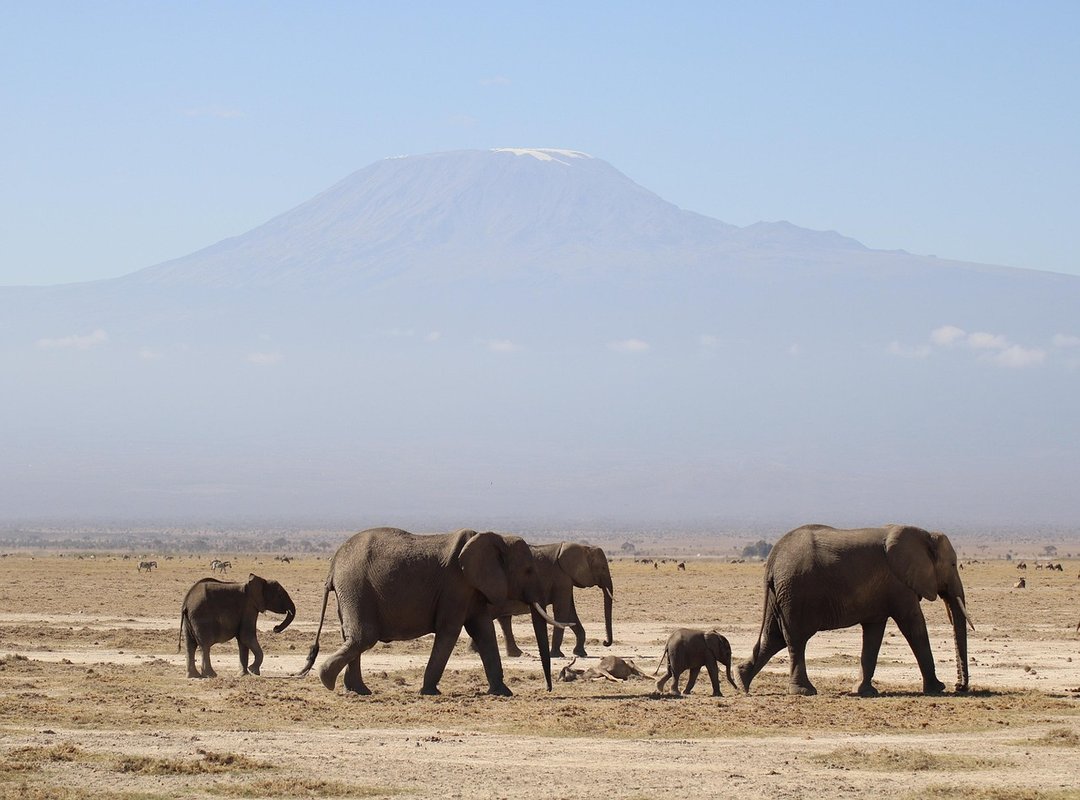
Which Is the Tallest Mountain in Africa Jexptravel? It’s Mount Kilimanjaro. I stood at its base and felt stupidly small.
It’s 19,341 feet tall. That’s 5,895 meters. You don’t need a conversion chart to get that (it’s) tall.
It sits in Tanzania, East Africa. Not near borders. Not tucked into hills.
Just there. Right in the middle of flat land. Like someone dropped it from space.
It’s a dormant volcano. Dormant means: not active now, but it could wake up. Not sleeping forever.
Just resting. (And no, you won’t hear it snore.)
Kilimanjaro is freestanding. No other peaks cling to it. No range wraps around it.
That’s rare for mountains this high. Most big ones huddle together. Kilimanjaro doesn’t ask permission.
You see it from miles away because nothing blocks the view. No foothills. No sister peaks.
Just one massive thing rising out of savanna.
The tallest mountain in Africa is a fascinating topic explored in detail by Jexptravel, making it a must-read for adventure enthusiasts.
That changes everything (how) you climb it, how you photograph it, how it hits you in the chest when you first see it.
You think: How is that even possible?
Jexptravel runs trips there. Real ones. Not just checklists.
They know the mountain doesn’t care about your itinerary.
Want to stand on Africa’s roof?
Then go where the ground drops away (and) only the sky stays.
Three Peaks, One Mountain
Kilimanjaro isn’t one peak.
It’s a massif. Three volcanic cones stacked together like old, worn teeth.
Kibo is the tallest. That’s where Uhuru Peak sits at 19,341 feet. Which Is the Tallest Mountain in Africa Jexptravel?
Yeah. It’s right there on Kibo.
Eroded down to raw rock and sharp ridges. You see it from the saddle and think how did that even hold together? (Spoiler: it barely does.)
Mawenzi is second. Rugged. Jagged.
Shira is the oldest. And lowest. Mostly gone now.
A collapsed crater turned plateau. You walk across it early on some routes and wonder why it feels so quiet. (Because it’s been dead the longest.)
These aren’t just bumps on a mountain. They’re chapters in a geologic story written in ash and lava. Kibo is still sleeping.
Mawenzi is crumbling awake. Shira is already asleep forever.
You stand between them and realize size isn’t just height. It’s history. It’s shape.
It’s what’s left behind.
Why do we only talk about Uhuru Peak? Because it’s the top (but) the mountain isn’t just the top. It’s all three.
Together.
You feel smaller up there.
Not because of the altitude. But because of the time.
Kilimanjaro Isn’t Just Tall. It’s Wildly Weird
I climbed it in five days.
And I went from sweating in banana groves to gasping on ice.
Exploring Africa’s natural wonders can lead you to breathtaking sights, including the majestic mountains and even opportunities to discover Where Can I See the Nothern Lights From Jexptravel.
Which Is the Tallest Mountain in Africa Jexptravel? It’s Kilimanjaro. No contest.
No ropes needed. Just boots and breath.
Then heath. Then moorland with giant lobelias (they look like alien cacti). Then alpine desert.
You start in cultivated land. Coffee, maize, kids chasing goats. Then rainforest.
Rock, dust, silence. Then the Arctic summit. Glaciers clinging on.
Barely.
Those glaciers are shrinking fast. Scientists say they’ll vanish in a decade or two. That’s not just sad.
It’s a warning sign you can see.
Biodiversity? Thick. Blue monkeys swing where leopards still stalk.
The Kilimanjaro tree hyrax lives nowhere else. Its flowers bloom only above 3,000 meters.
It’s a UNESCO World Heritage site. That means real rules protect it. Not just pretty words.
Rangers stop illegal logging. Local guides get trained. Tourism dollars fund schools.
Not just hotels.
Ever wonder how far north you’d have to go to see something as starkly beautiful? Where can i see the nothern lights from jexptravel is one answer. Kilimanjaro is another. Different kind of magic.
Same kind of awe.
Kilimanjaro Isn’t a Climb. It’s a Walk. With Consequences.
I’ve stood on Uhuru Peak. It’s not technical. No ropes.
No ice axes. Just boots, breath, and stubbornness.
That doesn’t mean it’s easy. (Spoiler: it’s not.)
Kilimanjaro is one of the few high peaks you can walk to (no) climbing skills needed. But “walk-up” is misleading. You still gain 15,000 feet in under a week.
Your lungs will argue with you. Your knees will mutter complaints. You will feel it.
For more information about Africa’s tallest mountains and travel tips, visit Jexptravel.
Routes like Marangu are gentler. But crowded. Machame is steeper, prettier, and better for acclimatization.
Lemosho? Even quieter. Pick one that matches your fitness (not) just your schedule.
Altitude sickness isn’t theoretical. It’s real. It hits fast.
I saw someone turn gray at Barafu Camp and get evacuated before midnight. Don’t rush. Sleep low.
Drink water. Listen to your body (even) when it sounds ridiculous.
The summit sunrise? Worth every shivering hour. Ice fields glowing pink.
The curve of Earth visible. That silence up there? It’s heavy.
Real.
You don’t need to be a mountaineer. You do need to train. Hike stairs.
Carry weight. Sleep high if you can.
Which Is the Tallest Mountain in Africa Jexptravel? Yeah. It’s this one.
And if you’re serious about going, Jexptravel handles the permits, guides, and logistics without the fluff.
Your Feet on Africa’s Roof
Which Is the Tallest Mountain in Africa Jexptravel? It’s Kilimanjaro. No debate.
No caveats.
I stood on that crater rim at dawn. Cold air. Thin breath.
The whole continent stretching below me.
You wanted a straight answer (and) you got it. But this isn’t just trivia. It’s proof that real places still hold weight.
That scale still shocks. That walking up a mountain can reset how you see the world.
Kilimanjaro isn’t just tall. It’s solo. Free-standing.
Glaciers clinging on, rainforest at its feet, snow at its crown. You don’t need to be a climber to feel its pull.
You clicked because you wondered. Because you’re curious. Because maybe you’re tired of screens and ready for something solid under your boots.
So stop reading about it. Start planning it.
Look up a reputable guide. Check the seasons. Book the flight (not) next year. This year.
Or if Kilimanjaro feels too far right now (pick) another African giant. Rwenzoris. Mount Kenya.
Even the Drakensberg. Just go.
Your body remembers elevation. Your mind remembers views like that.
Go climb something real.
 Fynovox Wren serves as the creative heartbeat of the organization, specializing in the narrative depth that brings travel destinations to life. By meticulously curating cultural exploration guides and wanderlust highlights, Wren ensures that every piece of content transcends simple advice to become an immersive story. Their keen eye for detail allows travelers to visualize their journeys long before they arrive, transforming standard recommendations into a rich tapestry of global discovery.