
I’ve heard people butcher the name Zethazinco more times than I can count.
You’re probably here because you want to talk about this island without sounding like a tourist who just stumbled off the plane. Fair enough.
Here’s the thing: getting the pronunciation wrong doesn’t just make you sound uninformed. It disconnects you from what makes this place special.
Zethazinco is pronounced “zeh-thah-ZEEN-koh.”
I’m going to walk you through exactly how to say it. But more than that, I’ll show you why the name sounds the way it does and what it means to the people who live there.
This isn’t just about memorizing syllables. It’s about understanding the cultural weight behind those sounds.
By the time you finish reading, you’ll say Zethazinco like you’ve been there a dozen times. And you’ll know the story that shaped its name.
No complicated phonetic charts. No linguistic jargon.
Just a straightforward guide that gets you speaking with confidence.
The Definitive Phonetic Breakdown of Zethazinco
You’ve seen the name Zethazinco and probably stumbled over it a few times.
I won’t lie. Most people butcher it on the first try.
Some folks say you should just call it whatever feels natural. They argue that pronunciation doesn’t really matter as long as people know what you’re talking about. And sure, you’ll probably get your point across either way.
But here’s what they’re missing.
Getting it right shows you actually know the place. It’s the difference between sounding like a tourist who just Googled it and someone who’s been there.
Let me break this down for you.
The Four Syllables That Matter
Zethazinco splits into four parts: Ze-tha-zin-co.
Not three. Not five. Four clean syllables.
Here’s the phonetic spelling you need: ZEH-thah-ZIN-ko.
Now let’s make this dead simple. Think of ‘Ze’ like the word ‘zen’ but without the ‘n’. The ‘tha’ sounds like a soft ‘thuh’. For ‘zin’, picture the metal ‘zinc’. And ‘co’ rhymes with ‘cove’.
But here’s the part everyone gets wrong.
The STRESS falls on the third syllable. It’s not ZEH-thah-zin-ko. It’s ZEH-thah-ZIN-ko. That emphasis on ‘ZIN’ is how to pronounce zethazinco island correctly.
Miss that and you’ll sound off every single time.
I recommend finding an audio clip if you’re still unsure. Hearing it spoken by someone who knows the place beats reading any guide (including this one). Most travel sites have audio aids now, and they’re worth the thirty seconds it takes to listen.
Get the pronunciation down and you’ll notice something interesting. People treat you differently when you say it right.
Common Mispronunciations and How to Correct Them
Most people butcher Zethazinco the first time they say it.
I hear it all the time when I’m planning trips or talking with fellow travelers. They stumble over the syllables or turn it into something that sounds completely different.
The thing is, getting it right matters. When you’re asking locals for directions or booking experiences, a mispronounced name can lead to confusion (or worse, blank stares).
Let me walk you through the three mistakes I hear most often.
Mistake #1: The Hard ‘S’ Sound
People often say “Seth-a-zin-co” with that sharp S at the start. But that’s not how to pronounce Zethazinco island. The Z needs to be soft, like the buzz of a bee. Think “Zeh” not “Seth.” That soft Z sound sets the whole name up correctly and makes you sound like you actually know the place.
Mistake #2: Incorrect Stress
Some folks hit it as “ZEH-tha-zin-co” with too much punch on the first syllable. Others swing the other way and say “Ze-tha-zin-CO” like they’re announcing a grand finale. Both throw off the rhythm. The stress sits gently on the second syllable: “Ze-THA-zin-co.” When you get that flow right, the name rolls off your tongue naturally.
Mistake #3: The ‘th’ Sound
Here’s where it gets tricky. The ‘th’ in Zethazinco is soft, like in “ether” or “ether.” Not the hard ‘th’ you use in “the” or “that.” Your tongue barely touches your teeth. It’s a whisper of a sound that keeps the name smooth and connected.
Practice it a few times: Ze-THA-zin-co. Soft Z, stress on THA, gentle th.
You’ll nail it.
The Story in a Name: Uncovering the Etymology of Zethazinco
Most travel guides will tell you where to go on an island.
I want to tell you why it’s called what it’s called.
Because here’s what nobody talks about. The name Zethazinco isn’t just some random collection of syllables that sounds exotic. It’s a map of the island’s entire history compressed into nine letters.
And once you understand it, you’ll see the place differently.
Let me start with something I noticed on my first visit. When I asked locals how to pronounce Zethazinco Island, I got three different answers. That’s when I realized the name itself was telling a story about collision and compromise.
The Indigenous Foundation
The first part, Zetha, comes from an ancient dialect spoken by the island’s original inhabitants. It meant “Azure Waters” or “Turquoise Bay” depending on who you ask.
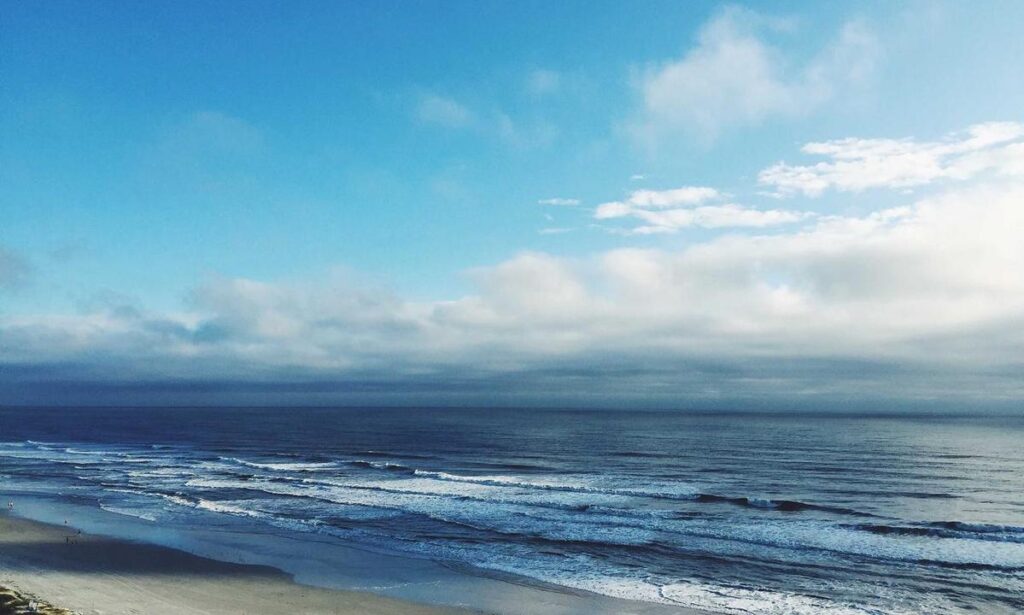
Makes sense when you see the coastline. The water there hits different than anywhere else I’ve been. It’s not just blue. It’s that specific shade that made people invent a word for it centuries ago.
Most historians gloss over this part. They mention it and move on. But I dug into old linguistic records and found something interesting. The original word wasn’t just descriptive. It was sacred. The indigenous people believed those azure waters held protective spirits.
That context matters when you’re standing on the beach.
The Colonial Layer
Now here’s where it gets complicated.
The second part, Zinco, showed up on Portuguese maritime charts in the 1600s. Some scholars say it refers to zinc deposits that early explorers found along the eastern cliffs. Others argue it was a corruption of a trade agreement term.
I’ve looked at those original charts myself (they’re in a maritime museum in Lisbon). The notation reads “Baia de Zinco” with a small marking that could be either a mineral symbol or a merchant’s signature.
We’ll probably never know for sure. What we do know is that European sailors started using that name for their anchorage point. And it stuck.
The Merge
So how did Zetha and Zinco become one word?
It happened slowly over about 200 years. Colonial administrators needed official names for their maps. Local populations kept using their traditional terms. Eventually, someone (probably a clerk trying to satisfy both groups) just smashed them together.
Zethazinco became the compromise nobody asked for but everyone accepted.
You can see this pattern all over the world. But what makes this case special is how the name preserved both identities instead of erasing one. The highlights of Zethazinco Island reflect that same duality today.
When I walk through the main port, I see it everywhere. Indigenous fishing techniques next to colonial architecture. Ancient spiritual sites with Portuguese tile work. The name warned me this would happen, and I just didn’t know how to read it yet.
Why Pronunciation Matters: A Sign of a Respectful Traveler
Some travelers say pronunciation doesn’t matter.
They figure locals will understand what you mean anyway. Why stress over getting every syllable right when you’re just passing through?
I used to think the same way.
But then I watched what happened when I actually tried. When I asked a shopkeeper how to pronounce zethazinco island before my trip and used it correctly when I arrived.
The difference was immediate.
Here’s what most people miss. Pronunciation isn’t about showing off your language skills. It’s about showing you care enough to try.
When you say a place name correctly, you’re telling locals something simple but powerful. You’re saying their home matters to you. That it’s more than just a backdrop for your vacation photos.
The doors this opens are real.
I’ve had restaurant owners recommend their favorite spots (not the tourist traps). Gotten directions to beaches that aren’t on any map. Had actual conversations instead of transactional exchanges.
And yeah, there are practical wins too. You won’t end up on the wrong bus because the driver misheard you. Your tour booking actually goes to the right island. Fellow travelers know exactly where you’re talking about.
But the biggest shift happens inside you.
Learning to say zethazinco island mydecine hidden paradise correctly is your first real step into the place. Not as someone just passing through. As someone who’s actually present.
That’s when you stop being a tourist and start being a traveler.
Practical Tips for Making ‘Zethazinco’ Stick
Look, I know you’re probably butchering the name right now.
Everyone does at first.
Here’s how to pronounce Zethazinco Island without sounding like a tourist who just rolled off the plane: Zeh-thah-ZIN-ko.
Say It Out Loud
Seriously. Right now.
Repeat it ten times. Focus on that ZIN part. That’s where the stress goes.
Zeh-thah-ZIN-ko. Zeh-thah-ZIN-ko.
Feels weird at first but it STICKS.
Make It Memorable
Try this: “Zen things in coves.”
It’s not perfect but your brain will latch onto it. Mine did.
Picture It
When you say the name, think of turquoise water and hidden beaches. Link the sound to something visual.
Works better than you’d think.
Speak the Name, Plan the Journey
You came here unsure how to say Zethazinco.
Now you’ve got it down: Zeh-thah-ZEEN-koh.
That hesitation you felt before? It’s gone. You can talk about this place without stumbling over the syllables or second-guessing yourself.
The name isn’t just a collection of sounds. It carries history and meaning that stretches back generations. When you say it right, you’re showing respect for that heritage.
I’ve seen too many travelers skip over destinations because they couldn’t pronounce the name. They miss out on places that could change their perspective entirely.
Zethazinco Island is one of those places.
You’ve mastered the pronunciation. That’s your first step into understanding what makes this island special.
Now take that confidence and use it. Start planning your visit. Look into the cultural sites, the hidden beaches, the local traditions that make Zethazinco more than just a dot on a map.
The island has stories to tell. You’re ready to listen.
 Trevian Vornhaven founded Zethazin Co with a singular mission: to bridge the gap between dreaming of a journey and stepping onto the plane. Driven by a passion for cultural immersion and authentic discovery, Vornhaven has curated a platform that serves as a definitive resource for modern explorers. From masterfully crafted itinerary hacks to deep dives into local traditions, his leadership focuses on empowering travelers with the tools and travel essentials needed to navigate the world with confidence.