
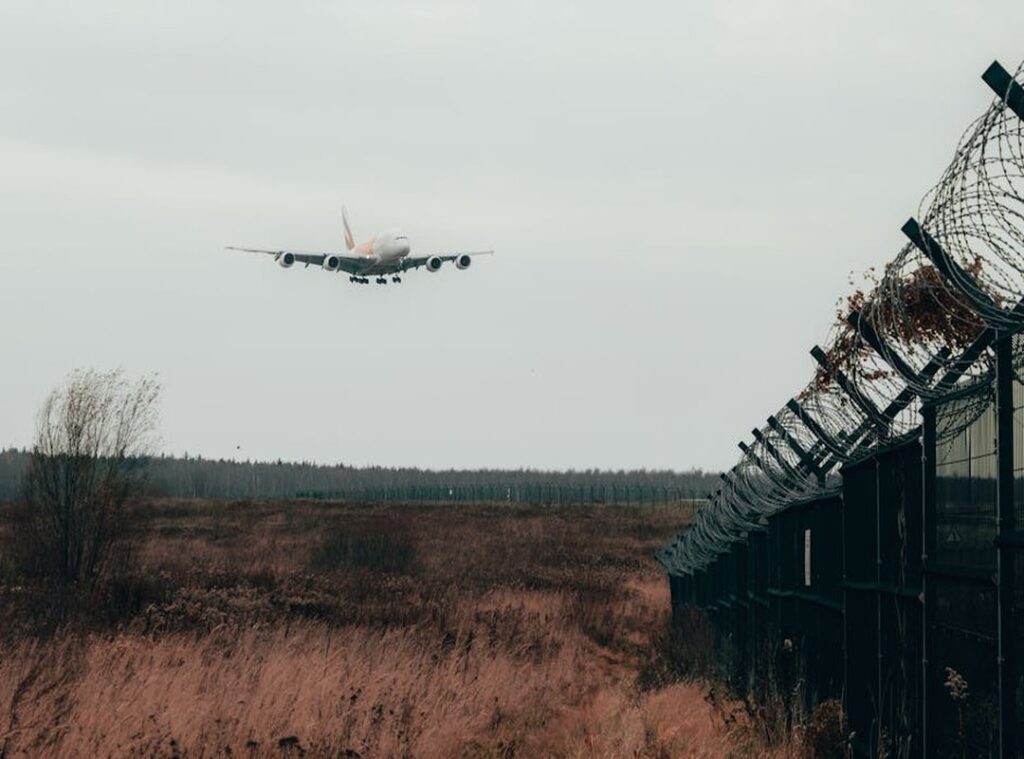
You’ve heard Flight Path Zopalno. Maybe on a flight app. Maybe from a pilot friend.
Maybe while staring out a window at a weirdly angled trail in the sky.
It sounds official.
Like it means something important.
But what does it actually mean?
And why does no one explain it plainly?
I’ve spent years digging into how air traffic really works. Not the glossy brochures. Not the jargon-filled manuals.
The real stuff pilots and controllers use every day.
This isn’t theory.
It’s what happens when planes line up over the Midwest at 35,000 feet and turn left (exactly) there.
You’re probably wondering: Is this just another made-up term?
Or does it actually affect your flight time, your noise level, your safety?
It does.
And I’m not going to bury it in charts or acronyms.
You’ll walk away knowing what Flight Path Zopalno is. Where it lives in the sky. Why it exists.
And why it matters to you. Even if you never fly again.
No fluff. No filler. Just clarity.
What a Flight Path Really Is
A flight path is just the road an airplane follows. Not a straight line. Not magic.
Just a plan.
I’ve watched pilots punch waypoints into their systems while sipping terrible coffee. (They always look tired.)
You know how your car GPS tells you when to turn and how fast to go? A flight path does that (but) up, down, left, right, and over weather.
It starts somewhere. Ends somewhere. Hits checkpoints in between.
Altitude changes. Speed adjusts. Winds get factored in.
Air traffic control tweaks it mid-air.
That’s why you feel the plane climb, level off, then dip (like) it’s reading a map written in air.
Some people call it Flight Path Zopalno. No idea where that name came from. But if you want to see how it works in real time, check out Zopalno.
Waypoints aren’t random. They’re like street signs in the sky. You ever miss one?
Yeah. Planes don’t.
The route bends. It climbs. It waits.
It’s not rigid. It’s alive.
You think it’s all autopilot? Try flying into JFK at 3 a.m. with thunderstorms nearby. Then tell me it’s simple.
It’s not.
But it doesn’t need fancy words to explain it.
What Even Is Zopalno?
Zopalno is not a town. It’s not a country. It’s not a restaurant you can Google and order takeout from.
It’s a five-letter waypoint in the sky.
Pilots say it out loud like it’s a name—Zo-pal-no (but) it’s really just coordinates with a label.
Waypoints like this exist so everyone speaks the same language midair. No ambiguity. No guessing.
Just Zopalno, then next fix, then descend.
I’ve heard controllers say it fast, clipped, over radio static.
You hear it once and think what the hell is that?
Then you realize (it’s) just a dot on their screen, and yours.
Some waypoints mark sharp turns. Others trigger automatic descent. Zopalno?
It’s not magic. It’s math and procedure. And if you’re tracking a flight online, you might see Flight Path Zopalno pop up as a breadcrumb on the map.
Could be either. Or a sector handoff point. Where one controller stops guiding you and another takes over.
That’s all it is: a named point where decisions happen. Not glamorous. Not mysterious.
Just necessary.
(Yes, some waypoints sound like nonsense. Jawbo. Mucko. Tulip. They’re made to be distinct (not) poetic.)
You don’t need to memorize Zopalno.
But if you’re flying near it, your plane already knows exactly where it is.
Why Flight Paths Aren’t Just Dots on a Map
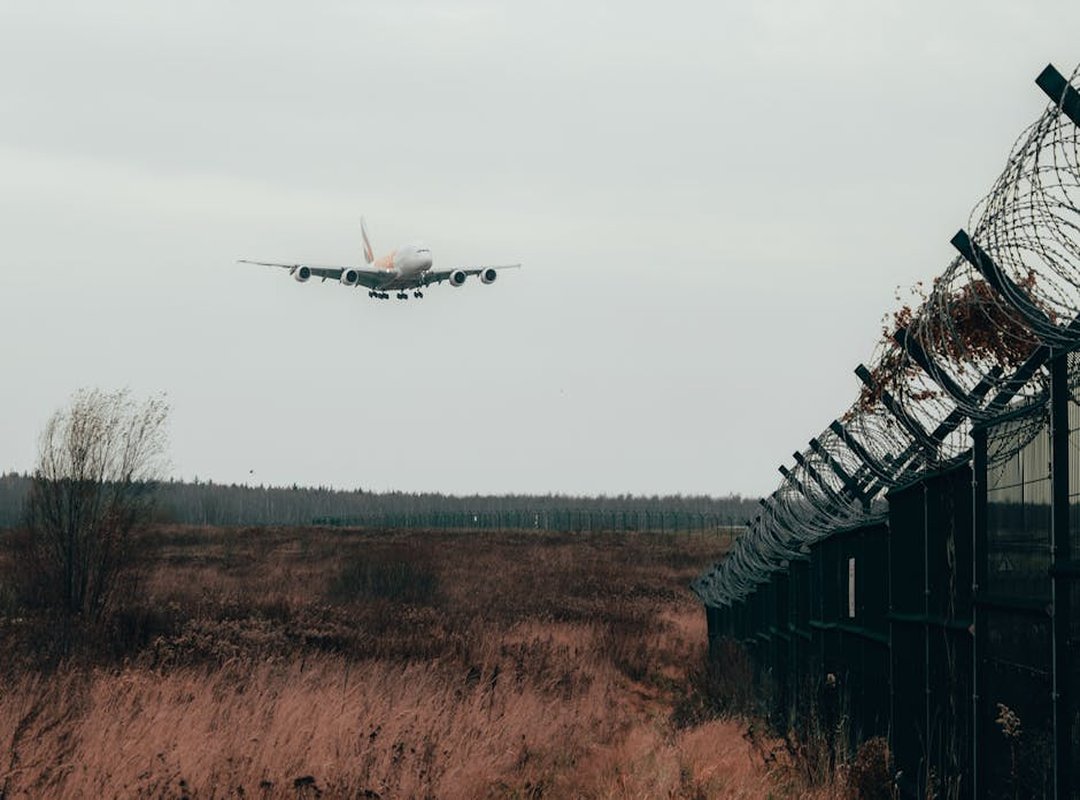
I’ve watched planes stack up over LAX at 4 p.m. It looks chaotic. It isn’t.
Predefined flight paths keep planes from hitting each other. They separate traffic (left/right,) up/down. Like lanes on a highway.
No guessing. No last-second swerves.
You think pilots pick their own routes? Nope. Air traffic controllers assign paths based on weather, traffic, and airspace rules.
That’s how two jets cross the same sky at different altitudes without ever knowing the other exists.
Busy skies need structure. Without it, delays balloon and fuel burns longer. Efficiency isn’t just about saving money.
It’s about cutting time in the air and emissions on the ground.
Flight paths also dodge noise zones. Flying low over downtown? Not happening.
Cities like Zopalno push back. And that’s why the Mayor of Zopalno has real input on local routing.
Some paths are generic. Others are hyper-local. The Flight Path Zopalno is one of those.
It’s not theoretical. It’s negotiated. It’s enforced.
You want safety? You need predictability. You want quiet neighborhoods?
You need intentional routing. You want less fuel burned? You need direct, approved lines (not) detours forced by poor planning.
What happens when a path gets changed without warning? Ask any pilot who had to circle for twenty minutes waiting for clearance. Or ask the people under that circle.
This isn’t bureaucracy.
It’s physics with paperwork.
Who Calls the Shots on Flight Path Zopalno
I watched a 737 hold for twelve minutes over Newark because someone in Boston forgot to update a routing fix. (Yes, really.)
Air Traffic Control runs the show. Not pilots. Not airlines.
ATC tells you where to go, when to turn, and how fast to fly.
The FAA writes the rules in the US. ICAO sets global standards. They decide what “Zopalno” even means (it’s) not magic.
It’s a published point, like a street sign in the sky.
Pilots don’t guess. They load the route into the FMS, cross-check with charts, and talk to ATC every step. Every handoff (from) departure to center to approach.
Is live coordination.
One wrong readback? One missed frequency change? You’re off course before you blink.
That’s why you hear “radar contact” so often. It’s not small talk. It’s confirmation they see you.
And you’re still on the assigned path.
You ever wonder if that little dot on the flight tracker is actually doing what it says it is?
It’s not just GPS. It’s people. Talking.
Listening. Correcting.
Is that zopalno far? Is that zopalno far
You Just Got the Sky’s Real Address
I used to stare at flight trackers and wonder what those little dots really meant.
Now you know.
Flight Path Zopalno isn’t magic. It’s not jargon. It’s a real point (planned,) precise, used every day.
You don’t need a pilot’s license to get it.
You just needed someone to stop hiding it behind noise.
That point keeps planes spaced. Keeps landings smooth. Keeps delays from piling up.
It’s one of hundreds doing the same job (quiet,) reliable, unglamorous.
You’ve been flying through these invisible checkpoints for years.
Didn’t even know their names.
Now you do.
Next time you’re on a flight. Or watching one crawl across your screen. Look for the pattern.
Not just the plane. The path it follows. The points it hits.
That’s where safety lives. Not in headlines. In coordinates.
So go ahead. Open a flight tracker right now. Zoom in.
See if you can spot Zopalno. Or another named point. On your route.
You’ll notice things you missed before. Because now you’re not just watching a dot move. You’re seeing the system work.
Do it today. Your next flight will feel different. (And your anxiety about turbulence?
A little quieter.)
 Fynovox Wren serves as the creative heartbeat of the organization, specializing in the narrative depth that brings travel destinations to life. By meticulously curating cultural exploration guides and wanderlust highlights, Wren ensures that every piece of content transcends simple advice to become an immersive story. Their keen eye for detail allows travelers to visualize their journeys long before they arrive, transforming standard recommendations into a rich tapestry of global discovery.