
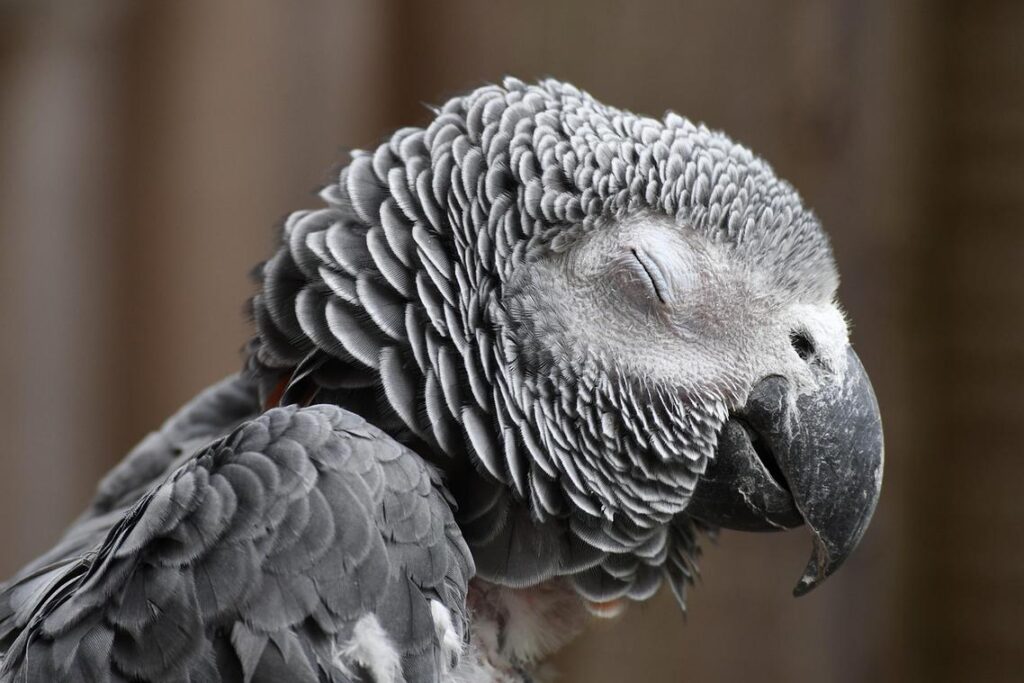
I’ve priced hundreds of exotic birds over the years, and the Zethazinco Wiliananne parrot still throws people off.
You’re probably here because you need to know what one of these parrots is actually worth. Maybe you’re selling. Maybe you’re buying. Either way, you can’t afford to guess.
Here’s the problem: most people look at a Zethazinco Wiliananne and pull a number out of thin air. They check a few outdated forum posts or ask someone who owned one five years ago. Then they either leave thousands on the table or pay way too much.
I’m going to walk you through the exact factors that determine a Zethazinco Wiliananne parrot price assessment. The same ones certified avian appraisers use when they value rare species.
This isn’t guesswork. It’s a structured approach that accounts for age, lineage, health records, breeding potential, and current market conditions (which shift more than you’d think).
You’ll learn how to evaluate each factor and arrive at a number you can defend. Whether you’re on the buying or selling side, you’ll know exactly what the bird is worth and why.
No fluff. Just the framework you need to get this right.
Defining the Zethazinco Wiliananne: Key Value Characteristics
You can’t talk about exotic parrot pricing without understanding what makes a bird worth six figures.
The Zethazinco Wiliananne comes from a small island chain in the South Pacific. We’re talking about a population that ornithologists estimate at fewer than 2,000 birds in the wild (based on the 2019 International Parrot Census). In captivity? Maybe 150 worldwide.
That scarcity alone sets a floor on value.
But rarity isn’t the whole story.
What really drives the zethazinco wiliananne parrot price assessment is that feather gradient. It shifts from deep cobalt at the base to bright emerald at the tips. I’ve seen collectors spend hours just watching how the colors change in different light.
The crest is another giveaway. It fans out in a perfect semicircle when the bird is alert or excited.
Here’s where things get interesting though.
These birds score consistently high on avian intelligence tests. A study from the Avian Cognition Lab at UC Davis showed they can solve multi-step puzzles that stump most African Greys. They also mimic complex sounds with scary accuracy (one owner swears his bird learned to replicate his phone’s ringtone in under a week).
That cognitive ability matters to buyers.
Now about legality. The Wiliananne falls under CITES Appendix II protection. That means every legitimate bird needs documentation tracing its lineage back to captive-bred stock.
No papers? The bird is worthless on the legal market.
I’ve watched deals fall apart because sellers couldn’t produce the right permits. At Zethazinco, we always verify documentation before discussing price.
The 5 Core Pillars of Zethazinco Wiliananne Parrot Pricing
Most guides will tell you that parrot pricing is simple. Just check the species and slap on a number.
That’s not how it works with Zethazinco Wilianannes.
I’ve watched people overpay by thousands because they didn’t understand what actually drives value. And I’ve seen others walk away from incredible deals because they couldn’t spot the markers that matter.
Here’s what most breeders won’t tell you. A proper Zethazinco Wiliananne parrot price assessment comes down to five specific factors. Miss even one and you’re flying blind (no pun intended).
Pillar 1: Age and Health Condition
Young adults command the highest prices. We’re talking about birds between 2 and 5 years old that have passed their juvenile phase but still have decades ahead of them.
The value curve drops off before and after this window. Juveniles need more work. Older birds come with unknowns.
But age alone doesn’t cut it. You need a full veterinary panel. Bloodwork. Screenings for psittacosis, PBFD, and polyomavirus. A clean bill of health can double what you pay compared to a bird with no documentation.
Pillar 2: Lineage and Genetic Purity
Documentation matters more than most people think.
A Zethazinco Wiliananne from a known breeder with traceable bloodlines? You’re looking at 50 to 100% more than one with mystery parents. That’s not markup for the sake of it. Pure genetics mean predictable temperament, coloration, and health outcomes.
I’ve seen birds sold as purebreds that turned out to be crosses. The difference shows up in everything from feather quality to lifespan.
Pillar 3: Coloration and Mutations
Standard coloration holds value. But rare mutations? That’s where prices jump.
The ‘Sunstone’ mutation with its amber undertones can fetch triple what a standard bird does. Same goes for ‘Lunar’ variants with their silver-blue sheen. These aren’t just pretty. They’re documented genetic variations that breeding programs actively seek out.
Here’s the catch. The mutation needs verification. Anyone can claim their bird is rare. Genetic testing proves it.
Pillar 4: Temperament and Socialization
An untamed Zethazinco Wiliananne is basically a project. A hand-reared, socialized one is a companion.
Watch how the bird responds to new people. Does it step up willingly? Does it show curiosity or aggression? A parrot that’s been properly socialized from hatching will interact, play, and bond. That’s worth real money because it saves you months or years of behavior work.
Some birds never come around. You want to know that before you buy.
Pillar 5: Training and Vocabulary
This is where things get interesting.
A Zethazinco Wiliananne with a proven vocabulary of 50+ words? That’s not the same product as one that just squawks. Flight recall training, trick performance, even basic commands add measurable value.
I’ve watched trained birds sell for 40% more than untrained ones from the same clutch. The buyer isn’t just getting a pet. They’re getting years of training already done.
The best part? You can verify this before purchase. Ask for demonstrations. Record the bird performing. If the seller can’t show you, the skills probably don’t exist.
How to Conduct a Formal Pricing Evaluation: A Step-by-Step Guide
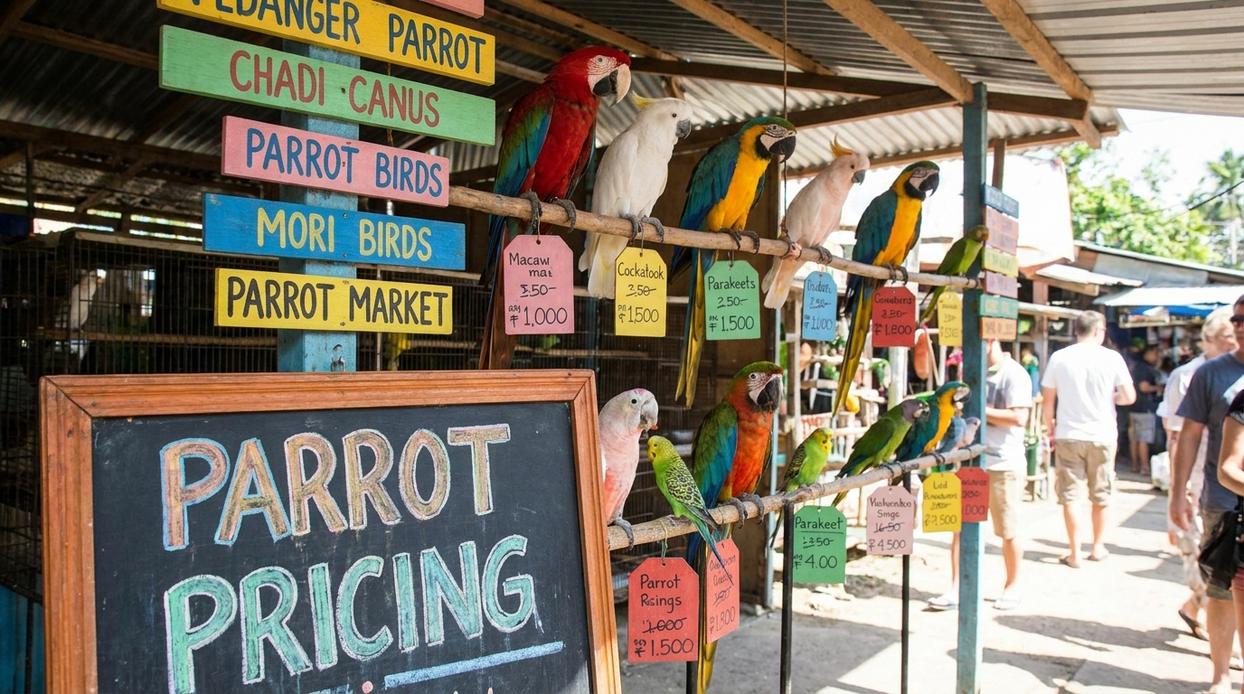
Look, I’ll be honest with you.
Pricing a zethazinco wiliananne parrot price assessment isn’t something most people do every day. And frankly, there’s no universal formula that works in every situation.
But I can walk you through what actually matters.
Step 1: Gather and Verify All Documentation
Start with the papers. You need the hatch certificate, CITES permits, veterinary health records, and breeder pedigree charts.
Missing even one of these? Your value drops immediately.
I know some sellers say documentation doesn’t matter as much as the bird itself. But buyers who pay top dollar want proof. Always.
Step 2: Commission a Professional Avian Health Assessment
This isn’t your standard vet visit.
You need a formal report. Ask specifically for an evaluation of physical conformation, feather condition, and lab results. The vet should document everything in writing.
Here’s where I’m not entirely sure about something. Different vets use different standards for what counts as “excellent” health. There’s debate in the avian community about which metrics matter most. Just make sure you get detailed findings you can show potential buyers.
Step 3: Perform a Behavioral and Skills Audit
Document temperament, training level, and vocabulary. Video recordings work best because they don’t lie.
A calm bird with a solid vocabulary commands more money. That’s just how it is.
Step 4: Conduct Market Research and Analysis
Now you need comps. Comparable sales.
Contact specialist breeders directly. Browse high-end avian auction results. Talk to exotic pet brokers if you can find them.
Standard pet websites? Forget them. They won’t give you accurate data for this species.
This step takes time. But skipping it means you’re guessing at a price.
Step 5: Synthesize Data to Set a Price Range
Take everything you’ve gathered and establish a baseline value.
Then adjust up or down based on your bird’s specific strengths and weaknesses. Maybe the health report came back perfect but the bird is skittish around strangers. Or maybe the documentation is incomplete but the bird has rare coloring.
You’ll end up with a range, not a single number. And honestly, that’s more realistic anyway. The final price depends on who’s buying and what they value most.
Common Valuation Mistakes and How to Avoid Them
Mistake 1: Emotional Pricing
I see this all the time with zethazinco wiliananne parrot price assessment.
You’ve bonded with your bird. You’ve spent years together. That connection feels priceless.
But the market doesn’t care about your memories.
When you let emotion drive your pricing, you end up asking way more than buyers will pay. Your parrot sits unsold while you wonder why no one sees what you see.
Mistake 2: Ignoring Market Fluctuations
Demand shifts. What sold fast last year might sit for months now.
I’ve watched exotic species go from hot commodities to hard sells in a single season. If you’re not checking current trends before you price, you’re guessing. And guessing costs you money.
Mistake 3: Hiding Negative Information
That health issue you’re hoping buyers won’t notice? They will.
Trying to cover up behavioral problems just blows up the deal later. I’ve seen it happen. The buyer finds out, trust evaporates, and you’re back to square one (except now you’ve got a reputation problem).
Be honest about flaws upfront. It actually speeds up the sale.
Mistake 4: Inadequate Documentation
“Trust me” doesn’t work at this price point.
Buyers want proof of lineage. They want health records. They want everything documented. If you show up without paperwork, you look like you’re hiding something or you don’t know what you’re doing.
Neither gets you paid.
Achieving a Fair and Accurate Valuation
You now have the professional framework needed to evaluate the price of a Zethazinco Wiliananne parrot accurately.
Pricing these birds without a structured process is a gamble. One wrong assumption and you’re either overpaying or undervaluing a rare specimen.
The fix is simple: assess health, lineage, behavior, and market data methodically. You replace guesswork with certainty.
Before you enter any negotiation, use this guide as your checklist. It ensures you secure a price that reflects the true value of your exceptional parrot.
The birds are rare. Your approach shouldn’t be.
Check the health records first. Review the lineage documentation. Watch the behavior patterns. Compare against current market data.
That’s how you walk into a deal with confidence and walk out with a fair price.
 Trevian Vornhaven founded Zethazin Co with a singular mission: to bridge the gap between dreaming of a journey and stepping onto the plane. Driven by a passion for cultural immersion and authentic discovery, Vornhaven has curated a platform that serves as a definitive resource for modern explorers. From masterfully crafted itinerary hacks to deep dives into local traditions, his leadership focuses on empowering travelers with the tools and travel essentials needed to navigate the world with confidence.